
Intel Heats Up Handheld War, Labels AMD Tech "Ancient"
Intel appears to be going big on picking up market share in the booming handheld segment after languishing behind AMD for the last three years; AMD responds to claims their handheld tech is "ancient silicon".
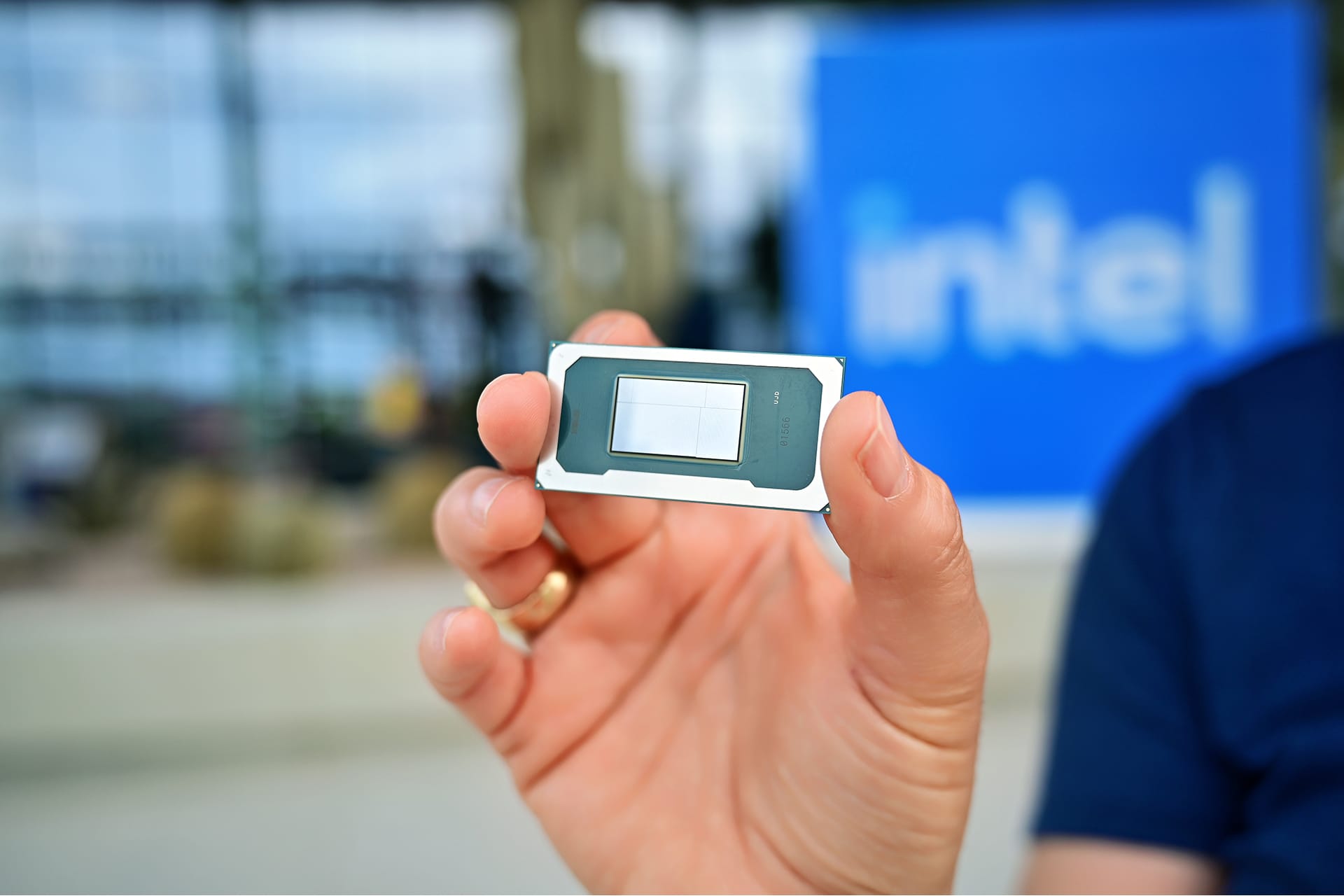
At CES 2026, Intel has announced a new range of SOCs under the Core Ultra Series 3 "Panther Lake" brand. And it's going big on the new line's handheld credential, despite no announced handhelds using the new Intel models (yet).
The Panther Lake lineup appears to have 16 distinct SKUs at this stage, ranging from 6 to 16 cores and with iGPUs ranging from token 2 and 4 Xe3-core models to beefy Arc B360-390 models with up to 12.
The main point of interest in the announcements is the two handheld-optimised SKUs, named Core G3 and Core G3 Extreme. They both feature a 14 core CPU (more on the breakdown of core types below) with the Extreme clocked slightly higher, while the iGPUs feature 10 and 12 Xe3-cores respectively (once again, the Extreme model clocks slightly higher).
The big change from the Intel 258V featured in the MSI Claw 8 AI+ is the return of E-cores. The 258V featured 4 P-cores and 4 LPE-cores (Low Power Efficiency). The two G3-based models, on the other hand feature only 2 P-cores along with 4 LPE-cores and a whopping 8 E-cores.
In an interview with PC World, Intel's Senior Director of Product Management for Client Nish Neelalojanan stated that Intel believes that e-cores are a good choice for gaming. There's some confusion in the statement given there are "Low Power Efficiency" and "Efficiency" cores We believe Neelalojanan is referring to the latter in the context of the core type returning to the fold with Core G3, especially given that the LPE-cores are generally only useful for extremely lower power tasks.
"We think that the low power E-cores are particularly appropriate for gaming"
Neelalojanan went as far to refer to AMD's current competing technology as "ancient silicon" - perhaps referring to AMD's Z2 portable CPUs being a mixture of Zen 2 to Zen 5 processor generations. AMD's new Strix Halo announcement at CES will put some heat on that statement, but we'll need to wait and see how each processor performs in benchmarks prior to passing judgement.
There don't appear to be any benchmarks available yet for the new Intel CPUs or their iGPUs, though a Tom's Hardware article on the Core G3 Extreme iGPU's big brother, the B390, showed impressive results with a caveat that software and drivers appear to need work.
There's no confirmed manufacturers using the new Panther Lake processors in their handheld lineup, but a slide in Intel's pack had numerous partner logos, including Acer (whose upcoming handheld was a conspicious absence from CES), MSI, GPD, OneXPlayer among others.
AMD Responds: Panther Lake Has "Too Much Baggage" to an Effective Handheld CPU

For AMD's part, they've responded that apparent Intel's approach of putting mobile SOCs in handhelds is not an effective solution to the issue. Also reported by PC World, AMD's Senior Vice President and General Manager of the Client Business Rahul Tikoo
"When you think about the core of the handheld space, they want purpose-designed, purpose-built chips that have great graphics technology, great software like FSR, integration with game developers on Xbox, PlayStation, etc. We can have high battery life, good fidelity of content, high frame rate, and we do that very well.”
AMD also referred to previous research from Qualcomm on Intel's high battery life claims, which showed that on previous generation Lunar Lake performance significantly decreased on DC Mode, "the Core i7 performs like a Core i3."
We're not entirely sure if "DC Mode" is in fact referring to running off battery (we're assuming it is). In any case, the importance of the difference between plugged-in and battery performance is something to be highly variable from user to user. Some users (myself included) very rarely use their gaming handheld on battery for more than 30 minutes at a time, almost always being plugged into an outlet (or at least a high-output power bank) while others rely extensively on battery usage.
What are your thoughts on the new Intel/AMD handheld announcements? Who's likely to come out on top and who are you most excited about? Join the conversation on Mastodon and let us know!